


HANOI – A growing wave of agricultural tourism is transforming Hanoi’s outskirts, offering urban dwellers a tangible connection to the land, traditional crafts, and family bonding, while simultaneously injecting new life into the local economy. From hands-on farming experiences to immersive cultural journeys, these rural havens are rapidly becoming a cornerstone of the capital’s tourism strategy.
Urban Escape to Rural Roots
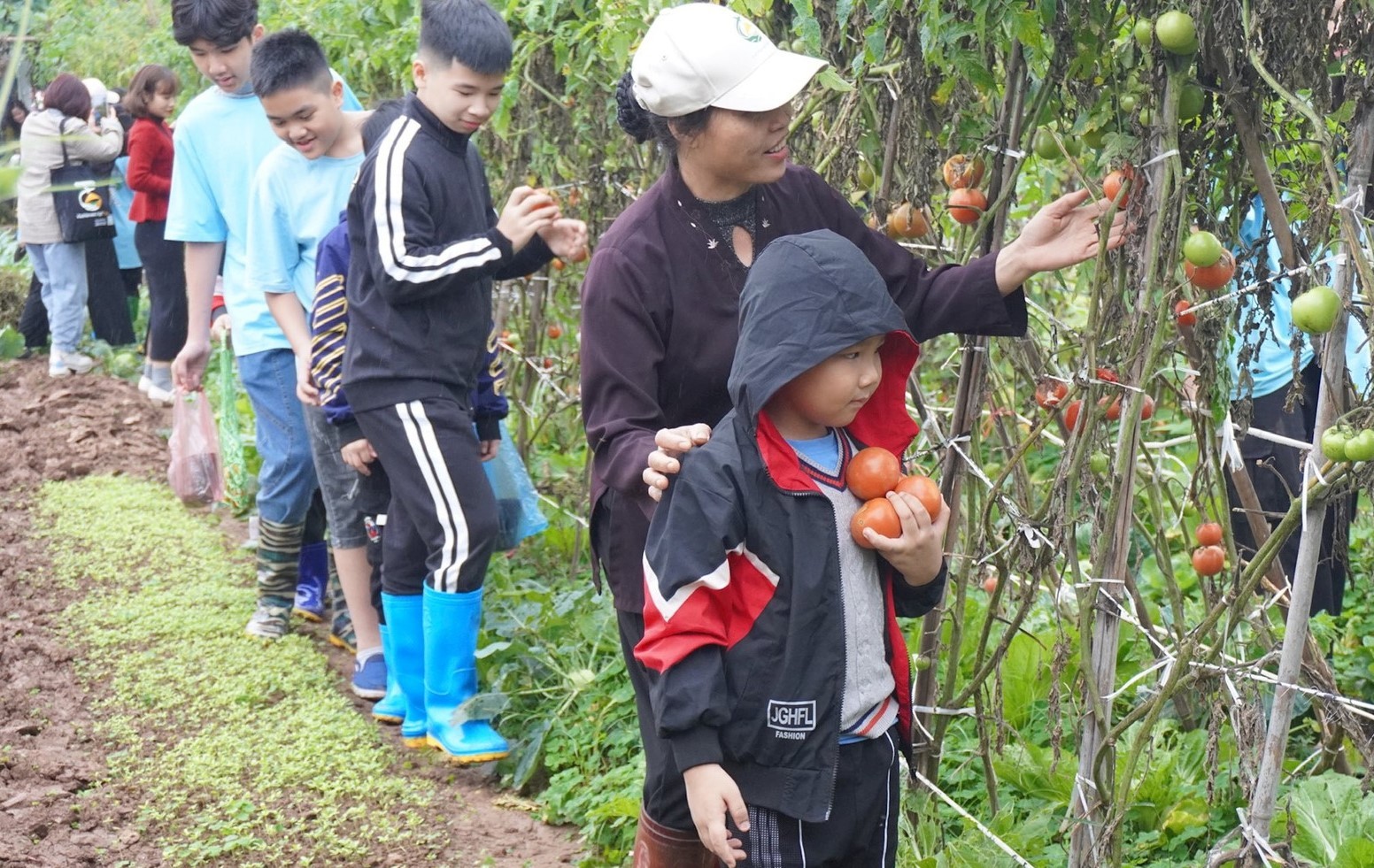
For families like the Pham Thi Mai’s from Thanh Xuan district, a weekend escape to the countryside has become a cherished ritual. Their recent visit to the Cau Vong – Erahouse park in Viet Hung ward offered their two young children a unique blend of education and recreation. As the children enthusiastically fed chickens, picked vegetables, caught fish, and roasted sweet potatoes, their mother, Pham Thi Mai, observed, “The children are learning things that books can’t teach. I feel like I’ve returned to my childhood, with the whole family playing and laughing together, forgetting about our phones and the city’s dust.”
Erahouse, a pioneer in experiential education since its inception in 2007, has expanded to eight locations, with seven nestled in the suburban fringes of Hanoi. These organically and safely run farms provide children with vital life skills, foster independence, and cultivate a deep appreciation for nature. This model is not an isolated success. Alongside Erahouse, initiatives like VietHarvest in Long Bien and Hue Minh Garden in Thuong Tin are actively promoting the burgeoning trend of agricultural tourism. These excursions transcend mere sightseeing; they are vibrant “green lessons” in labor, nature, and familial bonds, offering families experiences that are both enjoyable and profoundly educational.
A Flourishing Agricultural Tourism Landscape
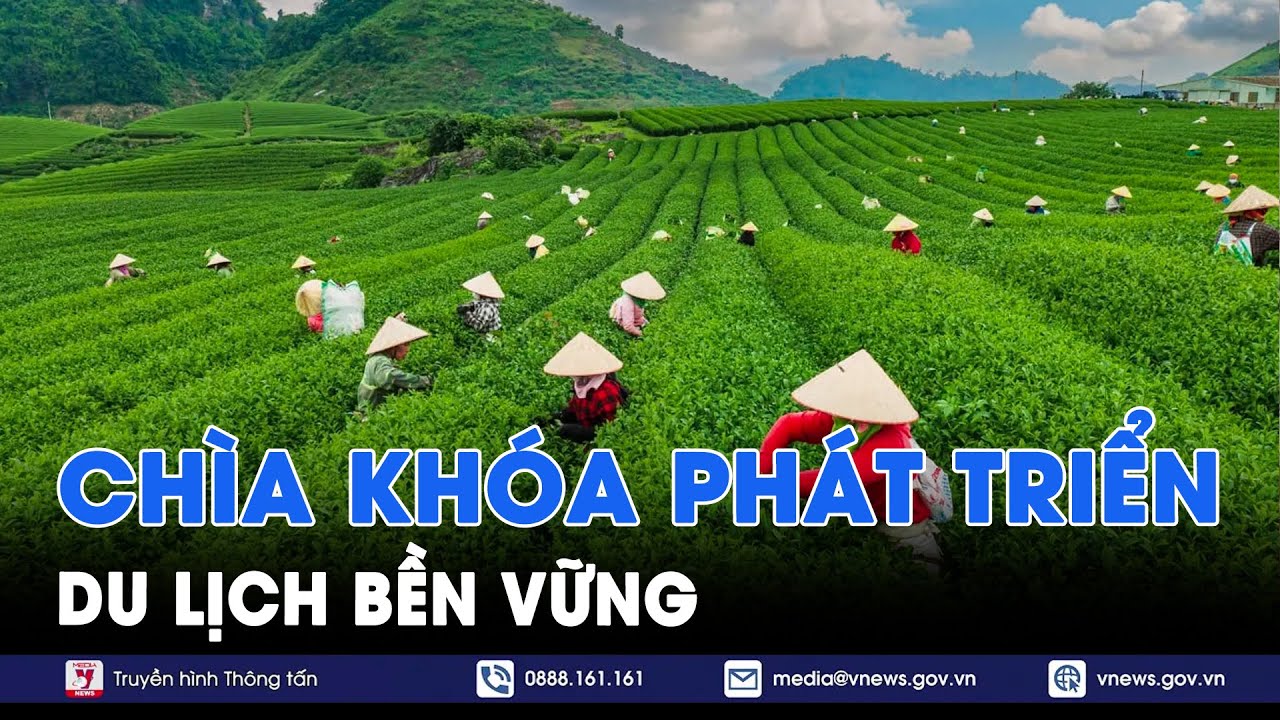
The Hanoi Department of Tourism reports that by mid-2025, the city boasts over 100 actively thriving agricultural and community-based tourism models in its suburban and peri-urban areas. This rich tapestry of rural offerings provides fertile ground for integrating agriculture with traditional craft villages, creating unique, interconnected tour packages. These include immersive experiences like “A Day as a Farmer in Ba Vi,” “The Journey from Bat Trang Pottery to Van Phuc Silk,” and “Discovering the Soul of Hong Van Countryside,” catering to a diverse range of domestic and international visitors.
The economic impact of this burgeoning sector is striking. In September 2025 alone, Hanoi welcomed an estimated 4.17 million visitors, nearly double the figure from the same period in 2024. International arrivals reached nearly 670,000, while domestic tourism accounted for approximately 3.5 million. The total tourism revenue for the month soared to an estimated 12,000 billion VND, a remarkable increase of over 46% compared to the previous year. Looking at the cumulative data for the first nine months of 2025, Hanoi has hosted over 26 million visitors, including 5.54 million international tourists, generating revenue of about 98,360 billion VND. These figures underscore the robust growth of the capital’s tourism sector, with agricultural tourism increasingly recognized as a key driver of the green economy and a powerful engine for community-based tourism development.
Strategic Vision for Rural Tourism
Vu Van Tuyen, Vice Chairman of the Vietnam Community Tourism Association and Director of Travelogy Vietnam, expressed optimism about Hanoi’s potential. “If developed correctly and invested in appropriately, Hanoi can absolutely become the nation’s capital for creative and sustainable rural tourism,” he stated. “This is a multi-faceted area that not only generates economic value but also contributes to heritage preservation, environmental protection, and sustainable community building.”
The policy framework for rural tourism development is already in place. Prime Minister’s Decision No. 922/QD-TTg, issued on August 2, 2022, designates rural tourism as a key development direction for the 2021-2025 period, with a target of at least one standardized rural tourism site in each locality. Hanoi has translated this into concrete action through Plan No. 73/KH-UBND, identifying former districts such as Thuong Tin, Dan Phuong, Thanh Tri, My Duc, Thach That, and Son Tay as pilot areas for developing community tourism, craft village tourism, and smart tourism models.
The program continues to be implemented in communes that have undergone administrative mergers. Hanoi has also firmly established a guiding principle: to foster green, responsible, and sustainable tourism, intrinsically linking environmental protection with the preservation of rural cultural identity, and weaving the green economy into the fabric of Vietnamese cultural values.
Unlocking Hanoi’s Agricultural Tourism Potential
Vu Van Tuyen highlighted Hanoi’s significant advantage: “Hanoi possesses exceptionally favorable potential with over 1,300 craft villages, including 337 recognized traditional craft villages. Each craft village, each rural garden, has the potential to become a unique tourism product.” However, the reality on the ground reveals that many destinations are not yet fully exploited. Limited tourism infrastructure, underdeveloped ancillary services, and a lack of product diversification mean that many experiences are currently limited to basic sightseeing, lacking deeper engagement and immersive activities. Furthermore, the human resources in agricultural tourism often lack the necessary skills and are hesitant to adopt new technologies and digital marketing strategies.
To foster effective rural tourism, Tuyen emphasized four strategic imperatives for Hanoi: developing distinctive products, creating rational regional plans and tour routes, investing in comprehensive infrastructure, and placing the community at the center. “The local people are the soul of agricultural tourism. Without them, any model will lack vitality,” he stressed.
From the perspective of travel businesses, Tuyen identified three significant bottlenecks that need urgent attention: people, products, and mechanisms. “Local residents often lack service skills; products in many places are still monotonous, leading to day-trip visits with low spending; and investment procedures, planning, capital incentives, and transportation infrastructure remain challenging,” he elaborated.
He firmly believes that sustainability must be the core principle of Hanoi’s rural tourism. When local communities can genuinely thrive through tourism, they will naturally become stewards of the environment, culture, and landscape. Agricultural tourism models not only boost income but also ignite a sense of local pride and a deeper connection to traditional occupations.
Cultivating a Sustainable Future
Pioneering models, from small-scale gardens like VietHarvest to community tourism areas such as Hong Van and Ban Mien, are ushering in a new era of rural economic development. Each countryside experience is more than just a trip; it’s a journey that reconnects people with the land, culture, and their roots.
With meticulous planning, strategic investment, and the active engagement of its residents, Hanoi is poised to become a leading capital for creative agricultural tourism. Every harvest season, every traditional craft village, holds the potential to be transformed into a captivating story, shared with visitors from across Vietnam and around the globe. The harmonious integration of the green economy, educational experiences, cultural preservation, and community-based tourism development is the key for Hanoi to not only attract tourists but also generate sustainable revenue, revitalize its rural areas, and elevate its standing on the national and international tourism map.