


HANOI, VIETNAM – Vietnam, a vibrant tapestry woven from the cultures of its 53 ethnic minority groups, possesses an unparalleled wealth of cultural heritage that offers immense potential for tourism. Yet, despite its rich offerings, the development of cultural tourism in these communities faces significant hurdles, including underdeveloped infrastructure, a lack of product diversity, and the ever-present risk of cultural commercialization. As the nation seeks to harness this unique asset, a delicate balance between preservation and progress is crucial to ensure sustainable growth, respect for indigenous traditions, and equitable benefits for local populations.
A Treasure Trove of Tradition: Vietnam’s Ethnic Cultural Landscape

Vietnam’s ethnic minorities, predominantly residing in mountainous and border regions, are the custodians of an extraordinarily rich and diverse cultural legacy. This deep heritage is a vital wellspring for developing distinctive cultural tourism products, many of which have already garnered international recognition. Of the 15 intangible cultural heritage sites in Vietnam recognized by UNESCO, a substantial number originate from these ethnic communities. Furthermore, 127 traditional cultural heritages of ethnic groups have been designated as national intangible cultural heritage sites, underscoring their profound significance. This vibrant cultural identity serves as a powerful engine for local economic development and a cornerstone for sustainable preservation efforts.
The unique resources for cultural tourism among these groups are manifold:
- Traditional Arts: From the graceful “Xòe Thai dance” and the resonant “Gong culture of the Central Highlands” to the spiritual “Then practices” of the Tay, Nung, and Thai peoples, and the melodic “Khen” of the H’Mong, traditional arts are deeply embedded in daily life, religious beliefs, and community gatherings. Each region and sub-group boasts distinct folk performances, often tied to specific communal spaces, festivals, or religious ceremonies.
- Customs and Practices: Living in close-knit, often isolated communities, ethnic groups maintain unique customs evident in their traditional attire, culinary traditions, worship rituals, and life-cycle events such as funerals and weddings. These practices offer an authentic glimpse into their way of life.
- Vibrant Festivals: The living areas of Vietnam’s ethnic minorities are often described as lands of festivals. These celebrations, frequently linked to agricultural cycles, vividly reflect the spiritual life, philosophical thought, and cultural identity of each group. Notable examples include the New Rice Festival of the Giáy people in Sa Pa (Lào Cai) and the Mường people in Phú Thọ, and the Mường Lập Festival in Thanh Hóa.
- Distinctive Cuisine: Beyond the elaborate ceremonial dishes, hundreds of rustic yet appealing culinary delights showcase the ingenuity and artistry of ethnic minority cooking. Many dishes, such as grilled fish, smoked buffalo meat, five-color sticky rice, and the hearty “Thắng Cố,” have transcended their traditional settings to become staples in restaurants nationwide. Unique beverages like “rượu cần” (stem wine) and corn wine further enrich this gastronomic landscape.
- Traditional Handicrafts: Historically, self-sufficiency fostered a vibrant tradition of craftsmanship. Many ethnic groups excel in various crafts, including weaving (Thai, Lao, H’Mong, E De), pottery (Thai in Mường Chanh, Cham with UNESCO-recognized Bàu Trúc pottery), blacksmithing (H’Mong in Lào Cai and Sơn La, Tay and Nung in Cao Bằng), and basketry (Khơ Mú). These unique handcrafted products represent a distinct cultural tourism offering, though only a fraction of these craft villages are currently leveraged for tourism.
Current Landscape: Achievements and Persistent Challenges

In recent years, Vietnam has seen notable progress in cultural tourism development among its ethnic communities.
Significant Achievements
- Governmental Support and Policy Frameworks: The Vietnamese government has actively promoted cultural tourism and heritage preservation through a series of policies. Key directives include Resolution 08-NQ/TW, which designates tourism as a spearhead economic sector; the Tourism Law 2017; the Cultural Heritage Law 2001 (amended 2024); the Prime Minister’s Decision 147/QĐ-TTg, approving Vietnam’s Tourism Development Strategy to 2030; and Decision 1755/QĐ-TTg, outlining the Cultural Industry Development Strategy to 2020 with a vision to 2030. These policies have been instrumental in preserving cultural identity and boosting the economic well-being of ethnic minority communities.
- Successful Local Models: Provinces in the Northern Midlands & Mountains and the Central Highlands have effectively established community-based cultural tourism sites. These initiatives, attracting both domestic and international visitors, highlight the Thai community in Bản Mển (Điện Biên), the Hà Nhì in Lào Cai, the Mường in Bản Lác (Phú Thọ), and the H’Mong in Bản Cát Cát (Lào Cai).
- Innovative Tourism Development: Sun World Fansipan Legend stands out for its meticulous recreation of Northwest culture, featuring traditional markets, stilt houses, and festivals like the Khen Hoa and culinary events. This venue not only celebrates the beauty of highland ethnic cultures but also transforms local traditions into premium tourism products, employing a significant local workforce (60% of its staff). Its success earned it the title of “World’s Leading Cultural Tourist Attraction” in both 2019 and 2020.
- Cultural Preservation in Institutions: The rich cultures of ethnic groups are also showcased and preserved beyond their geographical origins. Institutions such as the Vietnam Museum of Ethnology in Hanoi, the Vietnam Museum of Ethnic Cultures in Thái Nguyên, and the Vietnam National Village for Ethnic Culture and Tourism in Đồng Mô (Hanoi) serve as important venues for collecting, displaying, and performing ethnic traditions, drawing large numbers of visitors.
- Livelihood Transformation and Income Generation: Cultural tourism has significantly contributed to diversifying livelihoods and increasing incomes for ethnic minority communities. A compelling example is the Dao people in Tả Phìn, Tả Van, and Nậm Cang (Lào Cai), who transitioned from monoculture rice farming to tourism. These Dao communities now welcome over 40,000 tourists annually, generating an estimated revenue exceeding 20 billion VND. Average household income from heritage tourism for Dao families in Tả Phìn and Tả Van rose from 25-60 million VND in 2017 to 50-75 million VND in 2019.
- Enhanced Community Participation: This shift is also reflected in the growth of community-based tourism, with the Vietnam National Administration of Tourism estimating approximately 300 community tourism villages and 5,000 homestays across the country, predominantly located in ethnic minority and mountainous regions. Ethnic communities are increasingly engaged in various segments of the tourism value chain, from producing local goods like brocade, pottery, basketry, Shan Tuyết tea, and forest honey to providing authentic guiding services, thereby bolstering cultural promotion and local incomes.
Persistent Limitations
Despite these positive developments, cultural tourism in Vietnam still lags behind some regional counterparts like Singapore, Thailand, Malaysia, and East Asian nations such as Korea, China, and Japan.
- Product Deficiency and Lack of Innovation: Vietnam’s cultural tourism often lacks outstanding artistic products, unique cultural centers, and large-scale cultural-historical shows utilizing modern technology. Many existing cultural tourism products are slow to innovate, primarily relying on the exploitation of pre-existing heritage and relics, leading to duplication across different localities and weak regional linkages.
- Inadequate Infrastructure: Access to many ethnic minority tourism destinations remains challenging due to mountainous terrain and limited infrastructure. Poor road networks and a lack of synchronized facilities hinder tourism development, leaving valuable cultural resources under-exploited.
- Monotonous Offerings: Tourism programs often suffer from a lack of creativity and diversity. Many cultural tourism projects tend to focus solely on exploiting cultural assets without adequately prioritizing the cultural development and livelihoods of the communities themselves.
- Implementation Bottlenecks: While government interest and policies are in place, the biggest challenge lies in the effective implementation and organization required to optimally leverage cultural values for tourism and vice versa.
- Risk of Cultural Commercialization: A significant concern is the potential for cultural commercialization, where certain festivals and cultural products are distorted or lose their authenticity due to a lack of proper research and unprofessional exploitation for tourism purposes.
Guiding Principles for Sustainable Cultural Tourism
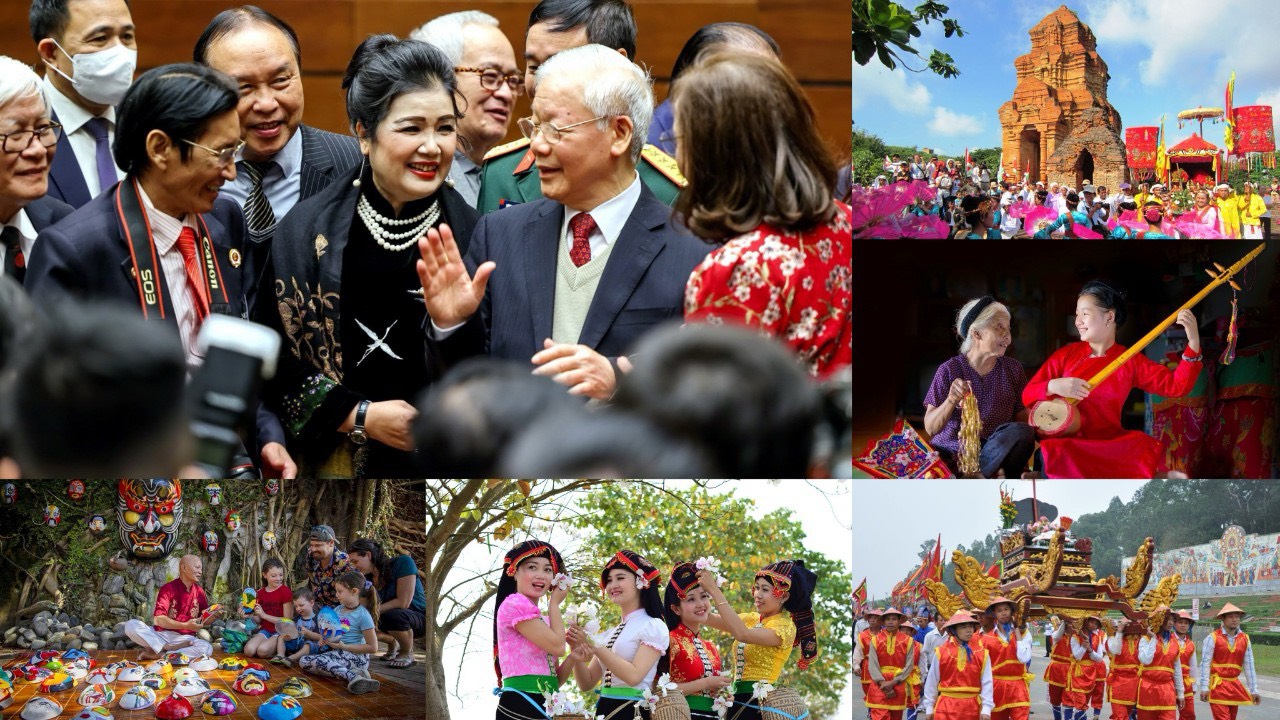
To ensure the long-term viability and integrity of ethnic minority cultural tourism, several core principles must be upheld:
- Harmonious Balance: Cultural tourism must foster a harmonious balance between cultural preservation and tourism development, as well as broader socio-economic growth.
- Responsible Exploitation: The utilization of cultural resources for tourism must be conducted responsibly, ensuring that it does not harm the cultural fabric or the daily lives of ethnic minority communities. It is essential to create an environment where these groups can maintain and develop their cultures within the tourism context.
- Respect for Cultural Differences: Tourists must be educated and guided on the customs, norms, and potential impact of their behavior and words on the communities they visit. Raising awareness and understanding of ethnic minority cultures is paramount.
- Equitable Benefits and Participation: Cultural tourism should generate economic and social opportunities for ethnic communities. Crucially, the benefits derived from tourism must be shared fairly among communities and all relevant stakeholders. Ethnic minorities must be empowered to participate in decision-making processes and genuinely benefit from tourism development in their regions.
Charting a Course: Proposed Solutions for the Future
To navigate these challenges and unlock the full potential of ethnic minority cultural tourism sustainably, a multi-faceted approach is required:
- Strategic Policies and Planning: Develop supportive policies and comprehensive planning that intrinsically link tourism development with cultural preservation. This includes robust research into traditional cultural values to inform local cultural tourism models, ensuring products authentically reflect ethnic cultural identities.
- Innovative Product Development: Focus on creating unique cultural tourism products, fostering community-based tourism models, and developing immersive cultural experience tours that integrate with the daily lives of local people.
- Digital Transformation: Embrace digital technology to enhance the tourist experience, including virtual reality travel guides, digital maps, and online booking platforms.
- Infrastructure and Service Enhancement: Prioritize improvements in transportation infrastructure leading to ethnic minority tourism destinations. Upgrade accommodation facilities and encourage the creation of authentic, culturally sensitive homestays. Simultaneously, invest in training local human resources to manage these services.
- Localized Human Resource Training: Emphasize training local residents, guides, and tourism staff from ethnic minority communities. This empowers them to accurately and sensitively convey cultural messages to visitors. Additionally, create opportunities for ethnic people to actively participate in tourism-related businesses, such as providing food, accommodation, and selling local products.
- Enhanced Cooperation and Promotion: Strengthen inter-regional linkages to create diverse cultural tourism routes that offer unique experiences while maintaining a cohesive network. Establish robust partnerships among local authorities, businesses, non-governmental organizations, and local communities to ensure mutual benefit and safeguard the interests of all stakeholders.
The cultural tourism sector among Vietnam’s ethnic minorities is undergoing significant development. However, for it to truly thrive, a sustained focus on preserving unique heritage, crafting authentic and appealing tourism products tailored to each group’s context, and ensuring equitable community benefits is essential. By balancing heritage conservation with responsible tourism exploitation, embracing technological innovation, and fostering creativity in product development, Vietnam can elevate cultural tourism into a key economic driver, contributing to rural development, poverty reduction, and sustainable socio-economic and cultural advancement.