


A group of South Korean tourists quietly savored bird’s nest soup and jasmine-infused bird’s nest cocktails at a culinary arts exhibit during the 2025 Nha Trang Sea Tourism and Culture Festival. Their hushed appreciation, captured in photographs and lingering memories, underscored a growing trend: gastronomy is no longer a mere supplement to travel but a powerful driver of tourism itself. This experience in Khanh Hoa province highlights a critical question facing Vietnam: Can the nation leverage its rich culinary heritage to elevate its global brand and propel economic growth?
Khanh Hoa: A Culinary Case Study

Khanh Hoa, with its stunning coastline and diverse seafood, is already showcasing the potential. Ms. Ji Soo Young, a member of the South Korean tourist group, eloquently summarized the impact: “We came to Nha Trang for the sea, but we will return for the food. It’s not just delicious; it’s cultural, it has depth.” This sentiment reflects a global shift in tourism priorities, with experiential gastronomy taking center stage. Khanh Hoa’s unique culinary offerings, including its famed bird’s nest delicacies, alongside dishes like Nha Trang fish noodle soup (bún cá Nha Trang), Dien Khanh rice paper pancakes (bánh ướt Diên Khánh), Ninh Hoa grilled rolls (nem nướng Ninh Hòa), jellyfish salad (gỏi cá mai), and Van Gia perilla herb noodle soup (bánh canh hẹ Vạn Giã), are captivating international visitors.
The province has proactively integrated gastronomy into its tourism strategy. Night markets, food festivals, and immersive tours that combine market visits, cooking classes, and tasting sessions have become popular attractions. Luxury hotels elevate humble local dishes, transforming them into signature experiences for discerning international guests.
Trinh Thi Hong Van, Chairwoman of the Board of Members of Khanh Hoa Bird’s Nest Company, emphasized the province’s strategic approach: “We regularly organize culinary promotion events, using creative and unique culinary arts to highlight the essence of bird’s nest cuisine, contributing to the distinctive culinary culture of the ‘sandalwood forest and bird’s nest sea’ for domestic and international tourists.”
Nguyen Quoc Ky, Chairman of the Vietnam Culinary Culture Association, reinforced this perspective: “Gastronomy is what touches tourists the fastest. Khanh Hoa has diverse cuisine; if done well, it can become an attractive culinary destination for domestic and international tourists.”
The Untapped Potential of Vietnamese Cuisine
The World Tourism Organization (UNWTO) reports that 81% of international tourists consider culinary experiences when choosing a destination, with food and beverage spending accounting for an average of one-third of their total travel budget. Vietnam, boasting over 3,000 dishes reflecting regional diversity and unique cooking techniques, possesses a vast, largely untapped culinary treasure trove.
From CNN-lauded pho to banh mi, consistently ranked among the world’s best street foods, and globally recognized dishes like spring rolls (gỏi cuốn), fried spring rolls (nem rán), fish sauce (nước mắm), and egg coffee (cà phê trứng), Vietnamese cuisine has already made its mark internationally. However, the country lacks a comprehensive, long-term national strategy to fully leverage this culinary potential for diplomatic, tourism, and economic advancement.
A National Culinary Strategy: From Local Success to National Brand
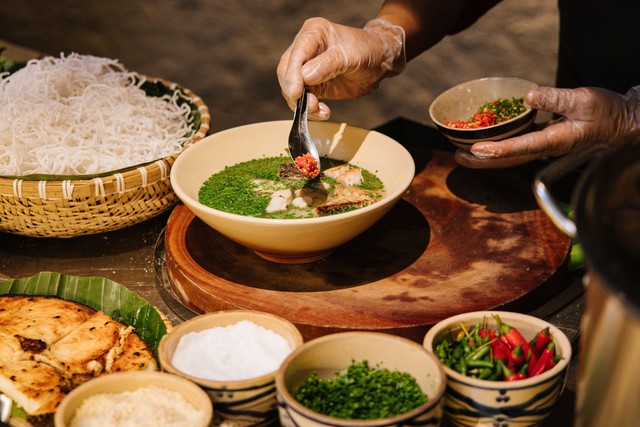
Khanh Hoa’s experience provides a model for a national strategy. This entails creating a national culinary map, connecting regions, and narrating the historical, cultural, and ingredient stories behind each dish. This would involve organizing regional and national food festivals integrated with tourism, agriculture, and food processing industries.
Gastronomic tourism should move beyond simple consumption. Experiential tours offering opportunities to cook alongside local chefs, understanding the cultural significance of ingredients, and immersing in the local culinary lifestyle are crucial.
The digital age necessitates a robust online presence: multilingual websites, instructional videos, and interactive “culinary maps” would guide international visitors. The aim is to establish Vietnam as a global culinary destination – a “World Kitchen.”
Further initiatives should include recognizing culinary artisans, integrating culinary culture into education, and encouraging local restaurants to meet international standards.
Beyond Food: Culture, Emotion, and Brand Building
Gastronomy transcends mere sustenance; it embodies memory, emotion, and connection. When food is presented with cultural context, served with care, and elevated through strategic long-term planning, it transforms into a true national brand. Vietnam possesses the resources to become a global culinary powerhouse. Realizing this ambition requires a unified effort, from family kitchens to festival stalls and national tourism policies.
The success of Khanh Hoa demonstrates that a strategic approach to gastronomy can significantly impact tourism and economic development. By leveraging its culinary heritage and adopting a comprehensive national strategy, Vietnam can solidify its position on the global culinary stage.