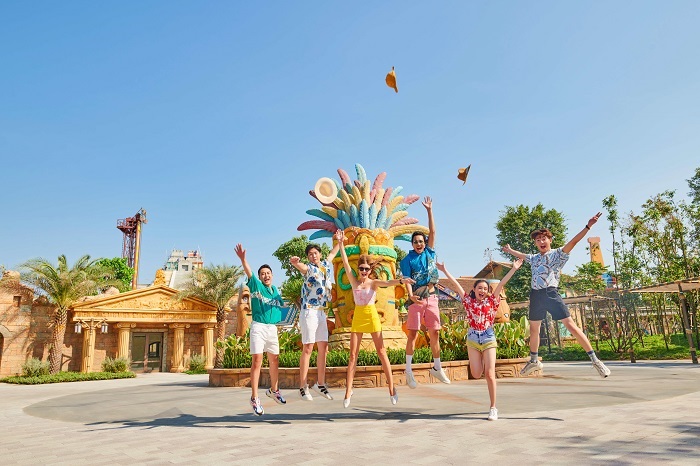



Vietnam’s tourism sector faces increasing global competition. To stand out, the country must leverage its unique cultural heritage to create distinctive tourism products. This requires a strategic approach that balances preservation with innovative, engaging experiences, according to experts.
Culture as the Cornerstone of Tourism Development
Associate Professor Dr. Le Anh Tuan, Deputy Head of the Department of Science, Technology, Training and Environment at the Ministry of Culture, Sports and Tourism (MoCST), emphasizes the critical role of culture in tourism development. “Culture is the core foundation for developing tourism products,” Dr. Tuan asserts. “In recent years, the orientation of conservation combined with the exploitation of cultural values has been widely implemented, from the central government to local levels. This has contributed to the creation of many outstanding products and affirmed Vietnam’s tourism brand on the regional and international map.”
Numerous Vietnamese destinations have successfully developed culturally-based tourism products, showcasing the potential of this approach. Examples include the Hung Temple Festival in Phu Tho, the Central Highlands’ gong culture, the Then singing art and Quan Ho folk songs of Bac Ninh, the Hue Festival, and Southern Vietnam’s Don Ca Tai Tu music. Each product is intrinsically linked to a specific cultural context, offering multi-layered experiences that leave lasting impressions on tourists.
Balancing Preservation and Market Appeal: The Central Challenge
The key challenge, according to Dr. Tuan, lies in effectively leveraging cultural value without compromising authenticity while maintaining market appeal. Simply “re-enacting heritage” without creative depth and engaging experiences risks reducing culture to a short-term consumable commodity. This is a significant risk, as many localities currently commercialize tourism products without proper research, professional guidance in storytelling, experiential space design, or the creation of unique value propositions.
Associate Professor Dr. Pham Trung Luong, Vice Chairman of the Vietnam Tourism Training Association (VITEA), highlights the crucial role of “differentiation” and “irreplaceability” in determining a destination’s competitiveness. This differentiation doesn’t reside in the tour format but in the depth of cultural experience offered. “If every locality organizes tours of traditional villages, festivals, and cuisine without clarifying their unique identity and creating specific products that connect culture, people, space, and time, everything will blend into the mass market, making it difficult to retain tourists,” Dr. Luong warns.
Experiential Culture: A Defining Trend
The shift from passive observation to active interaction – “experiential culture” – is a dominant trend in modern tourism product design. Experts emphasize the need for a comprehensive framework for analyzing specific tourism types and systematizing identification criteria. This framework should draw on successful global models, such as Kyoto’s heritage tourism (Japan), Chiang Mai’s ethnic tourism (Thailand), Spain’s festival tourism, and India’s religious tourism. These models not only increase tourist length of stay and average spending but also contribute to the revitalization of heritage in a modern, controlled, and deeply experiential manner.
The Role of Businesses: Bridging Heritage and Market
Pham Ha, Chairman of LuxGroup, highlights the crucial role of businesses in bridging the gap between heritage and the market. “Without the involvement of businesses from the product development stage, even the best cultural ideas will struggle to reach tourists,” Mr. Ha explains. “We have repeatedly proposed models for developing cultural tours that combine hands-on experiences, such as making Banh Tet (sticky rice cake), indigo dyeing, pottery making, or participating in spiritual journeys during festivals. These products, when carefully invested in terms of story, space, and characters, have proven highly attractive to both domestic and international tourists.”
However, Mr. Ha expresses concern that many localities haven’t fully embraced the participation of businesses in planning and directing product development, often limiting involvement to mere invitations without effective cooperation mechanisms. He suggests establishing support mechanisms for businesses to create innovative cultural products, extending beyond traditional offerings. This includes encouraging new models like film tourism, theatrical tourism, living museums, and virtual reality spaces showcasing heritage. These modern approaches can make Vietnamese culture more accessible to younger generations and international tourists who increasingly seek emotionally engaging experiences.
The Synergy of Government, Business, Community, and Academia
In the context of global destination competition, unique cultural tourism products are fundamental to enhancing attractiveness, extending tourist stays, increasing spending, and creating a distinctive image for Vietnam. This requires a collaborative effort between the government, businesses, communities, and educational institutions within a creative, responsible, and sustainable ecosystem. Culture, when properly nurtured, preserved, and presented, can sustain not only tourism but also the nation’s knowledge economy.
The Importance of Research and Professional Guidance
The successful development of culturally-based tourism products relies heavily on thorough research and professional guidance. Without a deep understanding of the cultural context, the risk of misrepresentation and superficial commercialization is high. This necessitates the involvement of cultural experts, anthropologists, historians, and tourism professionals in every stage of product development, from conceptualization to implementation.
Balancing Commercialization and Authenticity
The line between commercialization and the preservation of authenticity is delicate. While generating revenue is crucial for sustainability, it shouldn’t come at the cost of cultural integrity. The focus should be on creating authentic experiences that resonate with tourists while respecting local traditions and customs. This requires a careful balance between showcasing cultural heritage and avoiding its exploitation for profit.
The Power of Storytelling
Effective storytelling is paramount in creating engaging and memorable tourism experiences. Products should not merely present facts but weave compelling narratives that connect tourists emotionally with the culture and its people. This requires skilled storytellers who can translate cultural nuances into accessible and captivating narratives.
Developing Experiential Products
Moving beyond passive observation, tourism products should prioritize active participation and interaction. Tourists should be given opportunities to engage with the culture directly, through hands-on activities, workshops, and interactions with local communities. This immersive approach fosters deeper understanding and appreciation.
Harnessing Technology for Enhanced Experiences
Technology can play a vital role in enhancing cultural tourism experiences. Virtual reality, augmented reality, and interactive exhibits can bring history to life, providing engaging and accessible ways to explore cultural heritage. Such technologies can be particularly effective in reaching younger generations and international tourists.
Collaboration and Participation
Successful cultural tourism development necessitates strong collaboration among various stakeholders. Government agencies, tourism businesses, local communities, and educational institutions must work together to develop and implement sustainable and authentic tourism products. This collaborative approach ensures that the tourism industry benefits local communities while preserving their cultural heritage.
Sustainability and Ethical Considerations
Sustainability and ethical considerations are paramount in cultural tourism. Products should be designed and managed in a way that minimizes environmental impact and respects the rights and well-being of local communities. This includes ensuring fair wages, promoting responsible consumption, and preserving the environment.
Marketing and Promotion
Effective marketing and promotion are essential to attracting tourists to culturally-based tourism products. This requires a targeted approach that highlights the unique aspects of each product and its cultural significance. It also necessitates collaborations with tourism agencies, social media influencers, and other channels to maximize reach.
Long-Term Vision and Strategic Planning
The development of sustainable and competitive cultural tourism requires a long-term vision and strategic planning. This includes identifying key cultural assets, developing comprehensive strategies for their protection and promotion, and investing in infrastructure and human resources. A strategic approach will ensure the longevity and success of Vietnam’s culturally-based tourism sector.
Conclusion: Vietnam’s success in the global tourism market hinges on its ability to strategically leverage its rich cultural heritage, crafting unique and engaging experiences that resonate with international travelers while safeguarding its cultural authenticity.