

Gia Viễn, a district in Vietnam brimming with historical significance, cultural richness, and stunning natural landscapes, is strategically leveraging its assets to become a thriving tourism hub. By intertwining heritage preservation with sustainable practices, Gia Viễn is not only boosting its economy but also empowering its communities and safeguarding its unique identity. This multifaceted approach, driven by a dedicated local government and the enthusiastic participation of its residents, presents a compelling model for rural development in Vietnam.
A Multi-faceted Approach to Tourism Development

Guided by the provincial tourism development strategy, the Gia Viễn District Party Committee adopted a dedicated resolution focused on sustainable tourism and the preservation of local culture. This resolution aims to create a network of satellite tourism services connecting the district’s attractions with major tourism sites like Tràng An, Bái Đính, and Vân Long. The emphasis is on building professional tourism infrastructure and services to attract visitors and maximize economic benefits.
Harnessing Local Cultural Heritage
The Gia Viễn People’s Committee has taken a proactive role in promoting the district’s cultural heritage through diverse initiatives. The establishment of community tourism clubs encourages visitor engagement while simultaneously enriching the local cultural identity. This approach fosters a sense of ownership and pride among residents, resulting in widespread community support.
Developing Medicinal Plant Tourism
Building on its rich history and leveraging its natural resources, Gia Viễn has developed a plan to cultivate and preserve native medicinal plants. This initiative is closely linked to the Thánh Nguyễn Temple festival and eco-tourism activities. The plan draws upon historical records detailing the medicinal practices of Thiền sư Nguyễn Minh Không, a renowned national teacher during the Lý dynasty, and surveys of medicinal plants growing wild in the district’s karst mountains. This project aims to cultivate hundreds of valuable plant species, establishing a comprehensive resource for medicinal plant production.
“Thanks to the publicity from district and commune officials,” explains Vũ Văn Chú, Chairman of the Gia Viễn District Traditional Medicine Association, “we have a clearer understanding of the dual benefits of a tourism model that integrates historical and cultural values.” He adds that, “Using our ancestral knowledge, we actively participate in the district’s projects, and the results speak for themselves. We preserve our ancestral craft of medicine while contributing to the development of local tourism.”
This model has been successfully replicated, resulting in the creation of a medicinal plant resource zone and the formation of cooperatives. Hứa Thị Hằng, a member of the Sinh Dược Cooperative in Gia Sinh commune, highlights the crucial role of government support: “Thanks to the guidance of the Party committee and government, and the dedicated technical support from agricultural officials, our cooperative has expanded to over 7 hectares, cultivating plants like chamomile, perilla, honeysuckle, mugwort, and safflower.” These plants are used to produce soaps, bath salts, and shampoos—products that have proven popular with consumers. The cooperative also collaborates with other regions to expand its market reach.
Lucie Erbenova, a French tourist, expressed her satisfaction with the cooperative’s herbal products. “These are organically produced herbal products, and I bought them to give to friends and family back home,” she shared. “I’m even considering selling them in my country.”
Vân Long Nature Reserve: A Model for Sustainable Community-Based Tourism
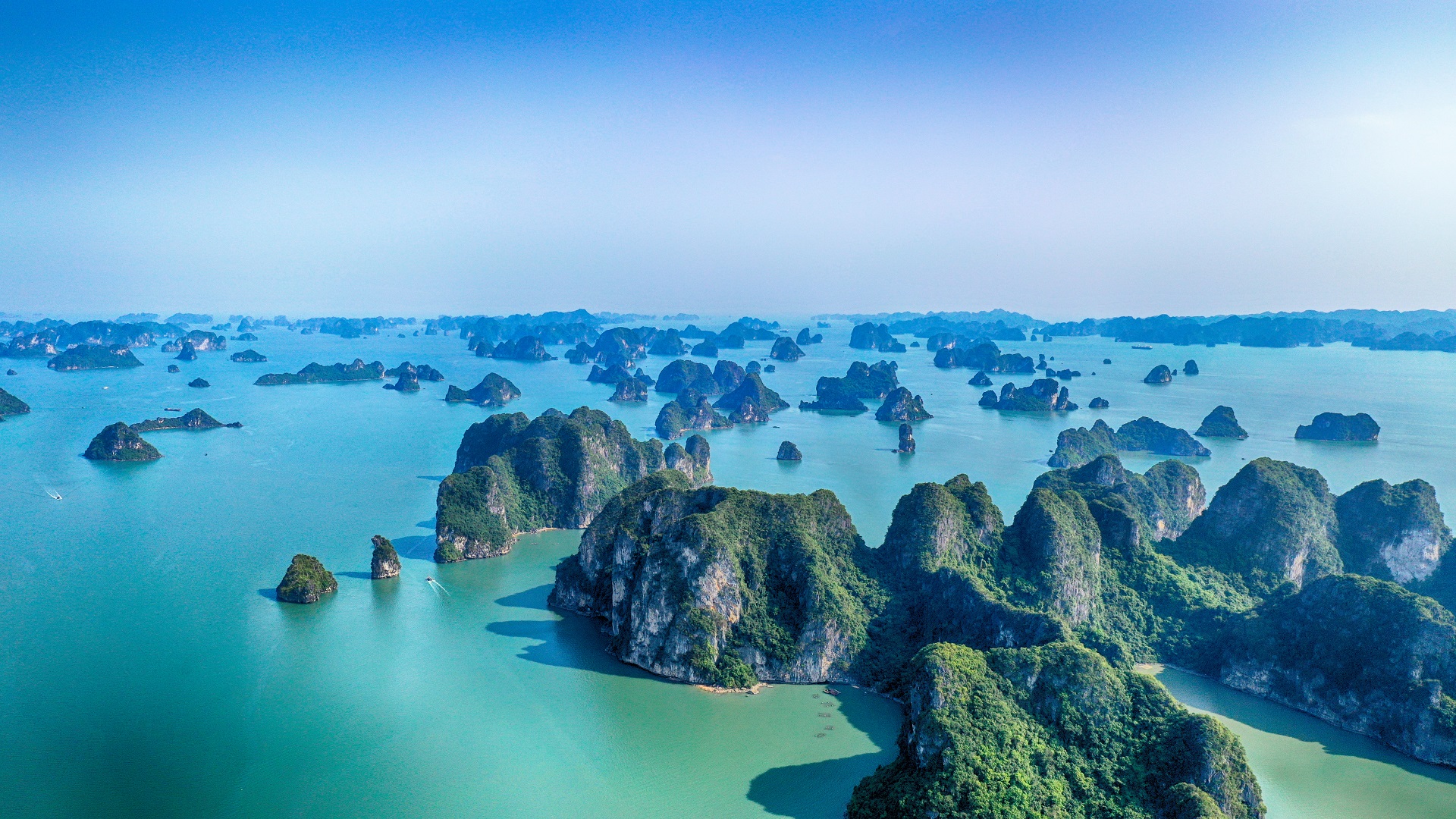
The community-based tourism model in the Vân Long Nature Reserve showcases the successful integration of local communities into tourism development. Designated as Vietnam’s ninth Ramsar site (a wetland of international importance) in 2018, Vân Long boasts two remarkable natural records: it houses the largest population of white-cheeked crested gibbons in Vietnam, and it possesses the largest natural painting in Vietnam.
Leveraging Vân Long’s unique attributes, the Vân Long Eco-tourism Service Cooperative has developed a sustainable tourism model, attracting both domestic and international tourists. Local farmers, in addition to their traditional agricultural activities, are involved in guiding tourists and showcasing the reserve’s rich ecosystem. This initiative enhances the livelihoods of local residents, provides employment opportunities, and promotes the preservation of local culture.
Trần Xuân Quang, the cooperative’s director, emphasizes the importance of community engagement: “Every month and every quarter, local party branches, mass organizations, officials, and party members organize volunteer activities, strengthen self-governing tourism groups, and guide residents in identifying and showcasing the area’s unique cultural values.” This concerted effort has significantly raised awareness among local residents, particularly those involved in tourism services, resulting in a commitment to sustainable tourism practices, environmental protection, and the preservation of natural resources.
Economic Impact and Future Prospects
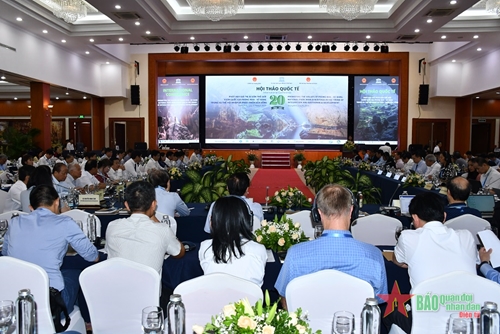
According to Phạm Văn Tam, Chairman of the Gia Viễn People’s Committee, the projected total revenue from tourism in the district between 2020 and 2025 is an impressive 5,438 billion đồng (approximately $230 million USD), averaging over 1,000 billion đồng ($42 million USD) annually. This represents a remarkable year-on-year growth rate of 1.96 times. This success is attributed to the concerted efforts of all levels of government, who have prioritized raising public awareness and fostering social consensus. The district has undertaken extensive outreach programs to engage local officials and residents in promoting sustainable tourism practices and preserving the region’s cultural heritage.
In conclusion, Gia Viễn District’s integrated approach to tourism development demonstrates a successful model of sustainable growth that combines cultural preservation, economic development, and community empowerment.