

The Ministry of Culture, Sports, and Tourism (MCST) has launched a comprehensive anti-drug campaign, responding to the Ministry of Public Security’s directive (Circular No. 3524/BCA-C04, dated August 6, 2025) to strengthen anti-drug efforts. This initiative directly supports Conclusion No. 132-KL/TW (March 18, 2025) from the Politburo, which builds upon the Politburo’s Directive No. 36-CT/TW (August 16, 2019) on enhancing the effectiveness of drug prevention, control, and combating. The MCST aims to achieve significant breakthroughs in the fight against drug abuse through targeted strategies and collaborative efforts across various sectors.
Multi-Sectoral Approach to Combat Drug Abuse

The MCST’s strategy emphasizes a multi-pronged approach, integrating anti-drug messaging into diverse cultural and societal platforms. This includes incorporating anti-drug awareness into cultural events, family activities, sports programs, tourism initiatives, and media outreach (print, broadcast, online, and foreign affairs). The ministry’s plan leverages existing avenues to disseminate vital information to a wider audience.
Leveraging Cultural Platforms for Awareness
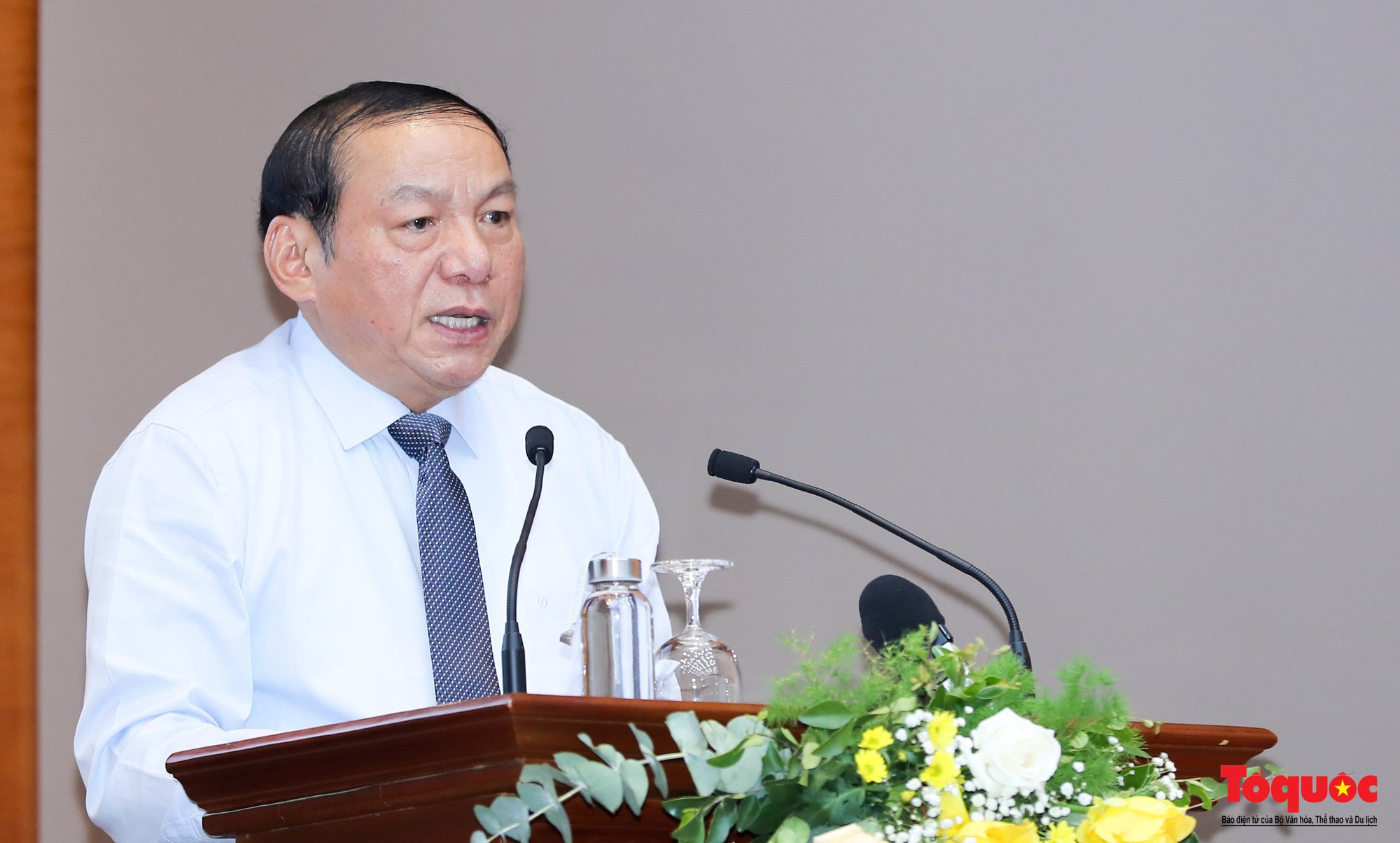
The MCST will actively promote anti-drug messages during cultural events, art performances, sporting competitions, exhibitions, and contests. These events provide opportunities for the targeted dissemination of anti-drug materials through creative mediums, such as artwork and short plays. The integration of these messages aims to reach individuals, families, and the broader community across various touchpoints, promoting legal compliance and responsible behavior. Tourism promotion materials will also be infused with anti-drug slogans and facts to heighten awareness among tourists.
Strengthening Education and Community Partnerships
A crucial aspect of the campaign is strengthening drug prevention education within schools, fostering collaboration between educational institutions and local governments. The MCST envisions a synergistic partnership between families, schools, communities, and social organizations to create a comprehensive network dedicated to drug prevention and awareness. This collaborative approach aims to leverage the strengths of each contributing entity, maximizing impact and improving efficiency. For example, schools may conduct regular awareness sessions while local governments create support systems for at-risk youth.
Media Engagement for Enhanced Awareness
The Ministry is committed to engaging various media outlets to amplify its message. Working in close collaboration with media organizations, the MCST will support the development of innovative and engaging content to enhance public awareness and responsibility regarding drug prevention. This will involve disseminating information on the Party’s policies, government regulations, and legal frameworks pertaining to drug control. The objective is to utilize varied communication channels to achieve maximum reach and impact, effectively promoting awareness and accountability among all social constituents. This will entail not only airing public service announcements on television and radio, but conducting media training programs to equip journalists and broadcasters with the required understanding and skillset to effectively broadcast anti-drug messaging. This includes deploying updated and accurate statistics on usage and effects.
Dissemination Strategies and Targeted Outreach

The MCST plans to utilize various channels to disseminate anti-drug information:
- Cultural Events: Integrating anti-drug messages into festivals, concerts, and other gatherings.
- Family Programs: Developing family-oriented programs that promote open communication about drug-related risks.
- Sports and Recreation: Utilizing sporting events and recreational activities to deliver relevant messages.
- Tourism Industry: Incorporating anti-drug information in tourism promotion materials.
- Mass Media: Leveraging television, radio, print media, and online platforms.
- Educational Institutions: Working with schools to educate students about the dangers of drug abuse.
- Community Outreach: Engaging directly with communities to promote awareness through workshops and information sessions.
- Government Partnerships: Collaborating with local and regional governmental bodies to implement effective programs.
- International Collaboration: Expanding information-sharing and collaborative programs with international partners tackling drug issues.
The MCST’s broader aim is to encourage responsible citizenship and raise awareness among diverse communities. Increased collaboration with various stakeholders, including educational institutions, non-governmental organizations, and community groups, is expected to boost the campaign’s effectiveness. The Ministry will continue to adapt its approaches to engage diverse audiences, tailoring its message to align with various cultural and societal contexts.
The Ministry of Culture, Sports, and Tourism’s comprehensive anti-drug campaign aims to significantly reduce drug abuse in Vietnam through a multi-faceted approach encompassing education, community engagement, and media outreach.