

Lead Paragraph: The recent restructuring and merger of Vietnam’s provincial administrative units presents a pivotal opportunity to reshape the nation’s tourism sector. This significant administrative overhaul, aimed at streamlining governance and optimizing resource allocation, offers a strategic pathway towards a more sustainable, interconnected, and in-depth regional tourism ecosystem. Experts believe this move will not only improve efficiency but also unlock previously untapped potential for tourism growth, focusing on regional collaboration and the creation of compelling, interconnected travel experiences. This comprehensive analysis explores the implications of this change for the tourism industry, addressing key challenges, opportunities, and strategies for successful adaptation.
The Impact of Administrative Restructuring on the Tourism Sector

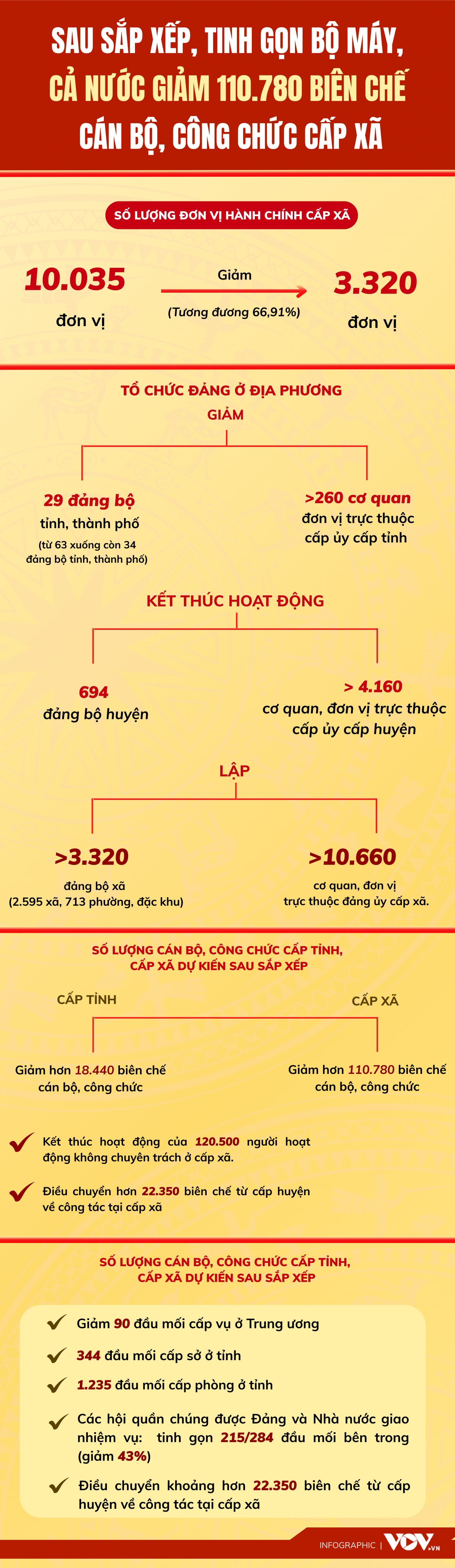
The reorganization of Vietnam’s provinces and cities constitutes a major policy initiative designed to streamline bureaucracy, enhance management effectiveness, and optimize resource allocation. While impacting administrative structures and socio-economic development policies, this consolidation promises to significantly facilitate the restructuring of regional tourism, fostering the development of interconnected brands and propelling the sustainable growth of Vietnam’s tourism industry.
According to Vũ Quỳnh Anh, Member of the MICE Expo VMA Organizing Committee and Vinacomin Tourism and Trade Joint Stock Company, the altered administrative boundaries present a strategic opportunity for tourism restructuring. This new administrative landscape will enable enhanced collaboration among localities in managing tourism resources, improving infrastructure connectivity, and coordinating tour routes. This coordinated approach will create more cohesive, attractive, and sustainable tourism value chains.
The restructuring marks a crucial transition for the tourism industry. It shifts the emphasis from a fragmented, province-by-province development model to a region-focused, inter-regional approach. This not only enhances the potential for multi-province tourism routes but also paves the way for product innovation and diversification.
Ms. Quỳnh Anh underscores the strategic importance of this shift, noting that the merger facilitates a move “from a scattered development model focusing on individual provinces and cities to a regional and inter-regional approach, promoting inter-regional tourism and facilitating the innovation and diversification of tourism products.”
Enhanced Opportunities in Resource Exploitation and Inter-regional Tourism Product Development
The amalgamation of localities promises to unlock the economic potential and streamline the development of inter-regional tourism products. Unlike the previous model requiring time-consuming inter-provincial coordination, the restructuring offers consolidated management of resources. The enhanced scale following the mergers empowers localities to develop richer and more diverse tourism products.
This consolidation additionally supports tourism workforce training programs and facilitates efficient investments in inter-regional products and tourism ecosystem connectivity. This contributes to the sustainable and in-depth development of the tourism sector, enabling it to meet increasingly discerning visitor demands for quality services and unique experiences.
Ms. Quỳnh Anh emphasizes the positive impact: “The merger of administrative units does not negatively affect the tourism sector; instead, it enhances the competitive position of localities on both the national and international tourism maps.” The integration of resources and improved coordination are expected to result in more competitive tourism offerings.
Resolving Intra-Regional Competition in the New Tourism Ecosystem

The restructuring necessitates a strategic approach to avoid overlapping development and competition between localities within newly formed provinces. Ms. Quỳnh Anh stressed that the administrative boundary changes present a strategic restructuring opportunity for the tourism industry. She added, “[This allows for] easier cooperation among localities in managing tourism resources, connecting infrastructure, and organizing synchronized tour routes, thereby creating a sustainable, interconnected tourism value chain. The merger of provinces and cities also facilitates the tourism industry’s transition from a scattered, individual model to a regional approach.”
The focus moves to establishing unified and well-coordinated strategies to build a new tourism ecosystem for each region. Effective cooperation is crucial among local tourism agencies to avoid overlaps and intra-regional conflicts. The goal is harmonious development, resulting in a unique and diverse tourism landscape across the newly merged provinces. Ms. Quỳnh Anh highlights the expectation of a cohesive tourism landscape with unique experiences. “The merged provinces and cities will utilize this opportunity to reinvent their brands; therefore we can expect a more synchronized tourism sector offering unique and new experiences.”
Maintaining Tourism Brand Identity After Restructuring
The Ministry of Culture, Sports and Tourism has proposed retaining the names of national tourism areas, national monuments, and world heritage sites following the administrative restructuring. This consistent branding strategy safeguards established tourism brands and minimizes disruption for both the industry and travelers. The ministry mandates updating location information to reflect the new administrative structure, seamlessly integrating the old and new naming conventions.
This approach ensures the continued recognition of well-established tourism brands, avoiding potential confusion among tourists and promoting a sense of continuity. The preservation of brand names allows for a smooth transition during the period of administrative change, minimizing potential disruptions to the tourism industry.
Infrastructure and Connectivity: Meeting the Demands of Inter-provincial Tourism
The province mergers facilitate the integration of land resources, natural assets, and human resources—critical components for large-scale tourism development and the creation of extensive inter-provincial tour routes. The consolidation overcomes the limitations of previous geographically-restricted tourism, significantly enhancing regional connectivity. This approach is viewed as a pathway to sustainable, environmentally friendly tourism.
While existing transportation infrastructure, tourism services, hotels, and resorts provide a foundational base, integrating these resources creates a synergistic effect. This integrated approach can greatly strengthen the tourism industry, creating a more robust and competitive sector. Despite the existing base, ongoing improvements and investments in infrastructure, transportation, and destination services are essential to meet increasing visitor demands.
This strategic integration is poised to create a synchronized tourism industry with novel and captivating experiences, marking a significant turning point for Vietnam’s sustainable tourism development and enhancing its global standing.
Building Regional Tourism Brands Post-Merger: A Strategic Approach
Ms. Quỳnh Anh emphasizes the transformative scope of the merger: “The merger of administrative boundaries is not merely a change on the administrative map but an opportunity to rebuild the tourism industry towards a regional and inter-regional, sustainable and in-depth approach. We need to shift from a provincial development mindset to a regional interconnectivity approach, where each locality plays its role in a harmonious overall picture.”
This necessitates a proactive and flexible response from the tourism industry. Tour operators must immediately adapt to the new administrative boundaries, revising tour routes, itineraries, and destination presentations to reflect the changes.
Localities with significant tourism potential must comprehensively review their tourism resources. This presents an opportunity to restructure products, identify new destinations, or improve existing ones, creating cohesive inter-regional and intra-regional tourism clusters.
Local governments and the private sector must collaboratively plan infrastructure development, improve transport links, and promote the newly established inter-regional tourism products. This aligned effort between government and businesses serves as a keystone for effectively leveraging tourism potential, pushing economic growth, and fostering the sustainable development of merged areas.
Effective Digital Marketing in the Post-Merger Landscape: Avoiding Brand Confusion
The administrative restructuring demands a redesigned tourism map and updated communications strategies for brand positioning. To avoid confusing tourists with new place names, active efforts to promote the new brand identity are crucial. This change requires a shift from local to destination-centric promotion.
Local tourism authorities should create new tourist maps as a guide for travelers. During the transition phase, using both old and new names will enable smooth adaptation for visitors without losing connections with prior branding. This dual naming convention will help bridge the gap during the transitional period, allowing ample time for the recognition and adoption of updated names.
Extensive promotion is vital. Using social media, search engines, and digital maps ensures that information about destinations remains promptly accessible. Comprehensive branding campaigns, both within Vietnam and internationally, are necessary to prevent confusion from the merger.
Fam trips for international travel agents and journalists should be introduced. Such initiatives broadly publicize Vietnam’s attractions and assets, promoting nationwide tourism through various communication channels. This multi-pronged approach assures that the message reaches a broad and international audience.
The Role of Tour Operators in the Post-Merger Tourism Transformation
Tour operators must swiftly adapt to leverage the opportunities presented by the administrative merger. Prompt updates to tour details, promotional maps, and guide training are essential during this transitional period. Successful businesses will demonstrate agility and a commitment to comprehensive innovation. This requires the development of effective products which encompass both breadth and depth, accompanied by strategically designed incentive programs to attract tourists.
Ms. Quỳnh Anh’s closing remarks encapsulate the transformative potential: “Restructuring, merging, and consolidation offer a chance to combine resources, infrastructure, and human capital to create strong, synchronized tourism chains capable of competing internationally. Travel companies must be the driving force in the restructuring of regional tourism products, quickly updating to new boundaries to anticipate trends and enhance visitor experiences.” The mergers present an undeniable opportunity for growth, requiring a strategic, collaborative response from all stakeholders.