


The newly merged Tả Van commune in Sapa, Lào Cai province, Vietnam, encompassing the former communes of Tả Van, Mường Hoa, and Hoàng Hiên, is poised to become a major ecotourism destination. Rebranded as “Tả Van”—meaning “great arc”—the commune now effectively encircles the stunning Mường Hoa Valley, offering unparalleled potential for community-based tourism development. With its breathtaking rice terraces, vibrant culture, and accessible location, Tả Van is experiencing a surge in popularity, attracting both domestic and international visitors.
A Valley Transformed: Infrastructure and Accessibility

The merger has unlocked significant potential for Tả Van. Chairman Cao Bá Quý of the Tả Van People’s Committee enthusiastically describes the commune’s new scope: “Today’s Tả Van truly embodies its name, the ‘great arc,’ as it now encompasses almost the entire Mường Hoa Valley. This provides ample potential and resources for development, particularly in agriculture and community tourism.” Previously, the fragmented nature of the administration hindered comprehensive development. Now, however, unified management allows for strategic planning and implementation.
The Mường Hoa Valley, stretching from Ý Lình Hồ to the Séo Chong Hô Hydropower Plant, is a breathtaking spectacle, particularly during the harvest season when the rice terraces turn a brilliant golden hue. The valley’s beauty is further enhanced by the picturesque villages of Cát Cát, Lao Chải, Tả Van Mông, Sín Chải, Thào Hồng Dến, and Hòa Sử Pán, each possessing unique cultural characteristics and landscapes. Many of these villages have garnered recognition from prestigious domestic and international travel publications, solidifying their status as sought-after destinations.
A Tapestry of Culture and Heritage
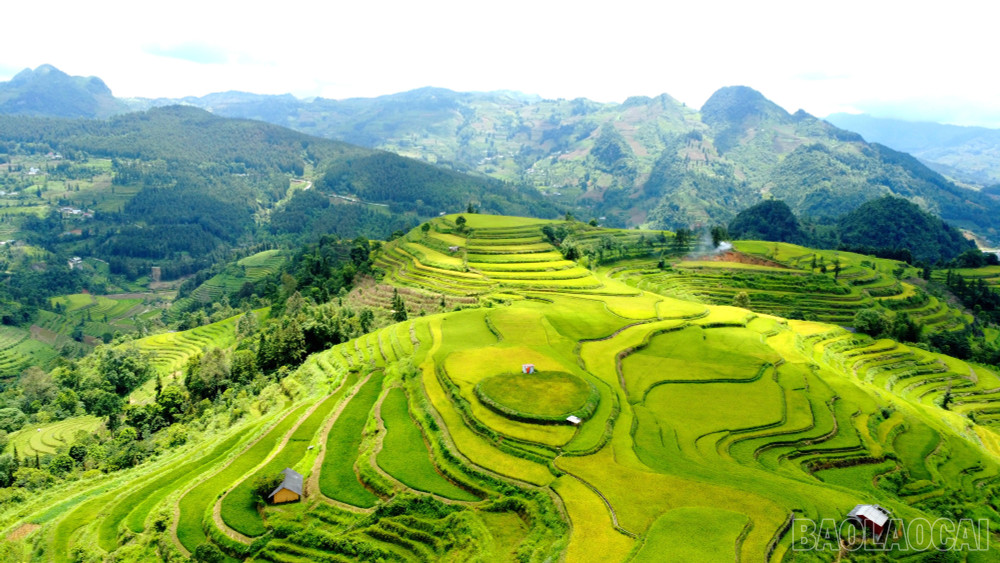
Tả Van’s appeal extends beyond its natural beauty. It serves as a vibrant hub for the Mông, Dao, and Giáy ethnic minority groups, showcasing their rich cultural heritage. The region boasts numerous tangible and intangible cultural heritage sites, including the renowned ancient stone field and the iconic rice terraces. Its proximity to Fansipan, the highest peak in Indochina, adds another layer of allure. The area’s temperate climate and dramatic scenery create an irresistible draw for visitors seeking a unique and immersive experience.
The confluence of these factors has propelled Tả Van into a leading position as a community tourism destination, drawing significant numbers of both domestic and international tourists. This success is a testament to the commune’s ability to leverage its natural and cultural assets for sustainable tourism development.
Flourishing Tourism Sector: Growth and Infrastructure
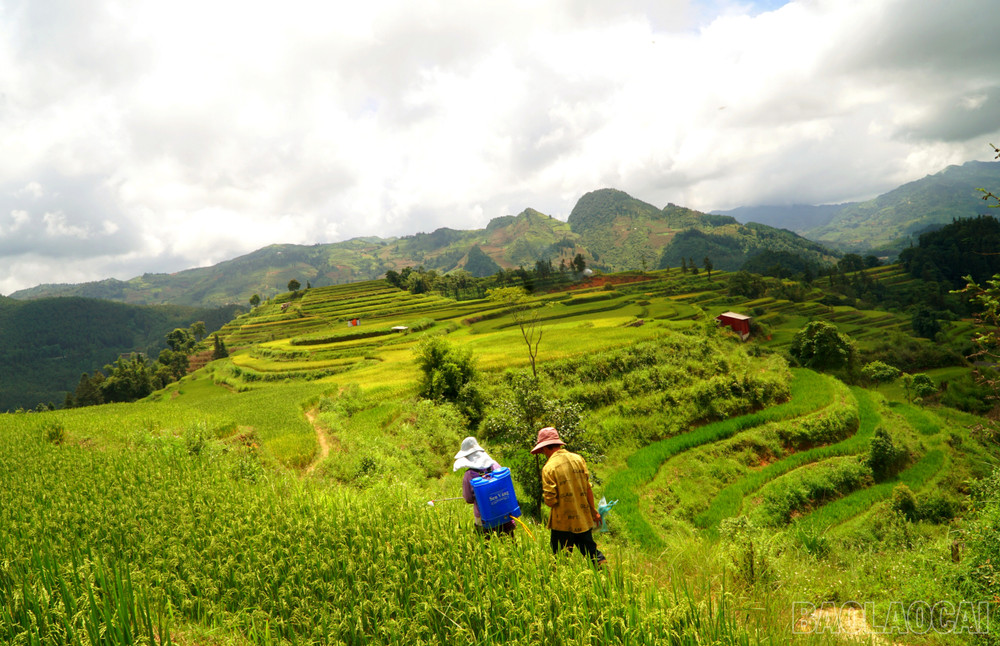
In recent years, Tả Van has firmly established its presence on Lào Cai’s tourism map, offering a diverse range of rural, community-based, experiential, cultural, and ecotourism products, supported by an expanding network of ancillary services. These offerings contribute significantly to the branding of Sapa’s five-season festival series, which highlights the region’s cultural richness and scenic beauty.
Currently, the commune boasts over 300 tourism and service businesses, including more than 200 homestays. The projected tourist arrival figure for 2025 surpasses 1.5 million visitors. Chairman Quý emphasizes the importance of exploring the area’s hidden gems: “Only by trekking along the Vietnam Mountain Marathon (VMM) routes or other trekking paths can you fully appreciate Tả Van’s beauty. Besides the existing villages, we have many untapped resources with significant tourism potential, such as the Séo Mý Tỷ lake and the pristine forests of the Hoàng Liên Son range.”
Sustainable Tourism: A Strategic Vision
Recognizing its potential, Tả Van has prioritized the sustainable development of community tourism linked to poverty reduction as one of its two key breakthroughs for the period 2025-2030. This strategy focuses on enhancing the quality of homestay accommodations, developing trekking routes, integrating agroforestry experiences with adventure tourism activities, and promoting cultural tourism linked to the preservation and promotion of the traditional heritage of local ethnic groups. Crucially, this development is linked to job creation for local workers and sustainable poverty reduction. The commune aims to attract over 500,000 overnight stays by 2030.
However, Chairman Quý acknowledges the challenges: “Our ambition hinges on overcoming obstacles, particularly in planning and investment attraction. We need greater autonomy in developing master plans and detailed plans to facilitate project proposals and attract investment. We also need provincial support to attract strategic investors for guiding projects that will drive sustainable development.”
Overcoming Hurdles: Planning and Investment
The impressive potential of Tả Van, with its vast landscape, pristine natural environment, rich cultural heritage, and growing tourism infrastructure, offers a significant opportunity for the commune to become a leading community tourism hub in Lào Cai province and the Northwest region of Vietnam. The success hinges on the cooperation of various levels of government and the private sector in overcoming existing obstacles. With appropriate support and investment, Tả Van can flourish as a model of sustainable and prosperous green tourism, setting a benchmark for other communities in the region.
The remarkable transformation of Tả Van, from a collection of smaller communes to a cohesive and strategically positioned tourism destination, highlights the power of collaborative development and the immense potential of community-based tourism. The future of Tả Van rests on overcoming regulatory hurdles and attracting the necessary investment to fully realize its potential.