

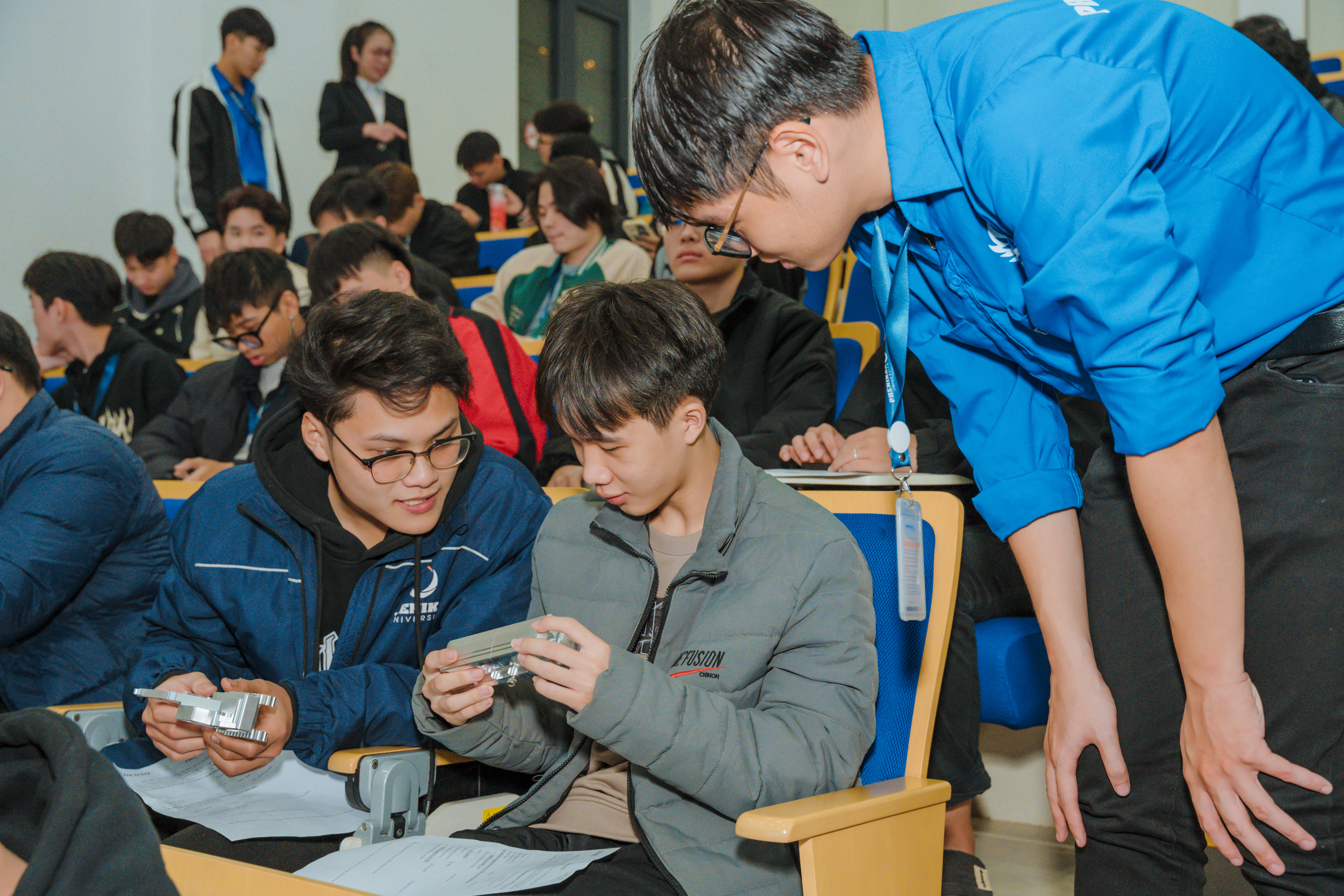
Over 200,000 Vietnamese citizens currently reside and work in Germany, a number expected to grow significantly as Germany faces a rapidly aging population and increasing labor demands, particularly in healthcare and nursing. This burgeoning opportunity is highlighted by a recent seminar, “Career Guidance – Study – Employment in the Federal Republic of Germany,” jointly organized by the Southern Center for Education and Training Development, the Ministry of Education and Training Office, and An Duong Group. The seminar, attended by over 500 delegates including government officials, educators, business leaders, parents, and students from across Southern Vietnam, underscored the wealth of educational and employment opportunities available in Germany for Vietnamese nationals.
A Growing Need for Vietnamese Workers in Germany

Mr. Ho Nu Duyen, Deputy Director of the Southern Center for Education and Training Development, emphasized the seminar’s significance as a practical initiative within the series of events commemorating 50 years of diplomatic relations between Vietnam and the Federal Republic of Germany. He highlighted the event’s role in providing Vietnamese students with enhanced opportunities to study and work in Germany, ultimately contributing to Vietnam’s development upon their return.
The growing demand for skilled labor in Germany was further emphasized by Mr. Nguyen Hong Ky, representing the Association of German Nursing Homes in Vietnam. He projected a shortfall of approximately 300,000 nursing assistants in Germany by 2030. This sector offers attractive salaries and benefits, with the German government actively encouraging international recruitment, including from Vietnam.
Partnerships and Pathways to German Employment
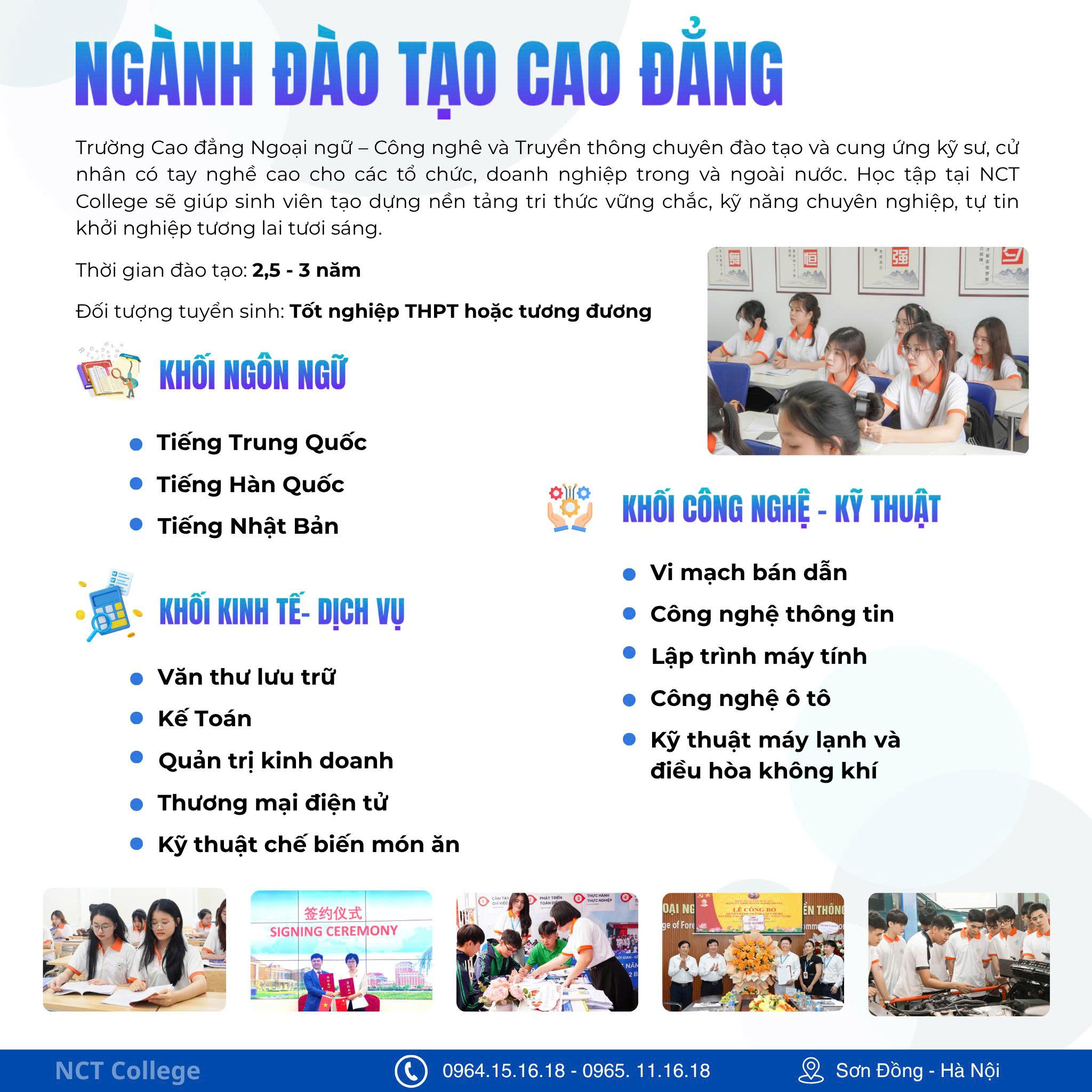
Several German vocational schools have established partnerships with Vietnamese training institutions, focusing on key sectors like electric vehicle technology, healthcare, and nursing. Many German businesses are collaborating to offer internships, allowing students to gain practical experience while earning a salary, thereby reducing financial burdens and ensuring high-quality training.
Mr. Ky noted the significant presence of the Vietnamese community in Germany, including over 5,000 students currently enrolled in higher education. Vietnamese workers are highly regarded for their diligence, hard work, and sense of responsibility, a significant advantage in the German labor market. He stressed that this positive image, contrasting favorably with other international worker communities, provides a crucial advantage for young Vietnamese workers.
However, language remains the most significant obstacle. Proficiency in German is crucial for quick integration and maximizing opportunities.
Tuition-Free Education, Paid Internships, and Residency Prospects
A key advantage of vocational training in Germany is the complete absence of tuition fees. Interns can earn between €1,000 and €1,500 per month, depending on their field, sufficient to cover basic living expenses in Germany, which are transparently regulated by law. Upon graduation, graduates have the opportunity to obtain long-term residency and access to comprehensive social security benefits, enjoying the same rights as German citizens.
In recent years, the German government has streamlined the visa application process, simplifying the participation of international students in study and work programs. Experts at the seminar highlighted Germany’s potential as a promising market for Vietnamese students. Vocational training programs not only provide access to modern education but also open doors to establishing careers and achieving long-term stability. The combination of high labor demand, financial support through tuition waivers and paid internships, and residency opportunities makes Germany an increasingly attractive destination for Vietnamese students.
Eligibility Requirements and Application Process
To participate in vocational training programs, applicants must possess a high school diploma or equivalent and a German language certificate at the B1 level or higher. The nursing sector often requires a B2 level certification. Some institutions offer support to help applicants achieve B2 proficiency within three to six months of enrollment. Typically, acquiring the necessary German language skills takes six to eight months, although dedicated self-learners can shorten this timeframe. Complete application packages include transcripts, language certificates, and other personal documents.
Addressing Challenges and Maximizing Opportunities
While the opportunities are substantial, potential challenges need to be acknowledged and addressed proactively. The significant language barrier highlights the importance of dedicated language acquisition before and during the program. Furthermore, thorough research into specific vocational pathways and employer expectations is essential for successful integration into the German job market. Networking within the existing Vietnamese community in Germany can also offer invaluable support and guidance.
The seminar served as a crucial platform, offering valuable information and guidance to those considering pursuing educational and career opportunities in Germany. The substantial demand for skilled workers, combined with the attractive benefits offered by the German government and educational institutions, positions Germany as a compelling destination for Vietnamese individuals seeking professional growth and long-term stability.
The seminar successfully presented a comprehensive overview of the opportunities available in Germany, emphasizing the strong demand for Vietnamese workers, the advantages of vocational training programs, and the pathway to long-term residency.